Humana Botswana Humana Botswana
  • Home
  • Who We Are
      • Back
      • About us
      • Our history
      • Our Partners
      • Financial Information
      • Members of the Federation HPP
  • What We Do
      • Back
      • Community Development
      • Health
  • More
      • Back
      • Publications
      • Articles
      • Videos & Podcasts
  • Contact Us
  1. You are here:  
  2. Home
  3. Blog - Community Dev.
  • Community Development

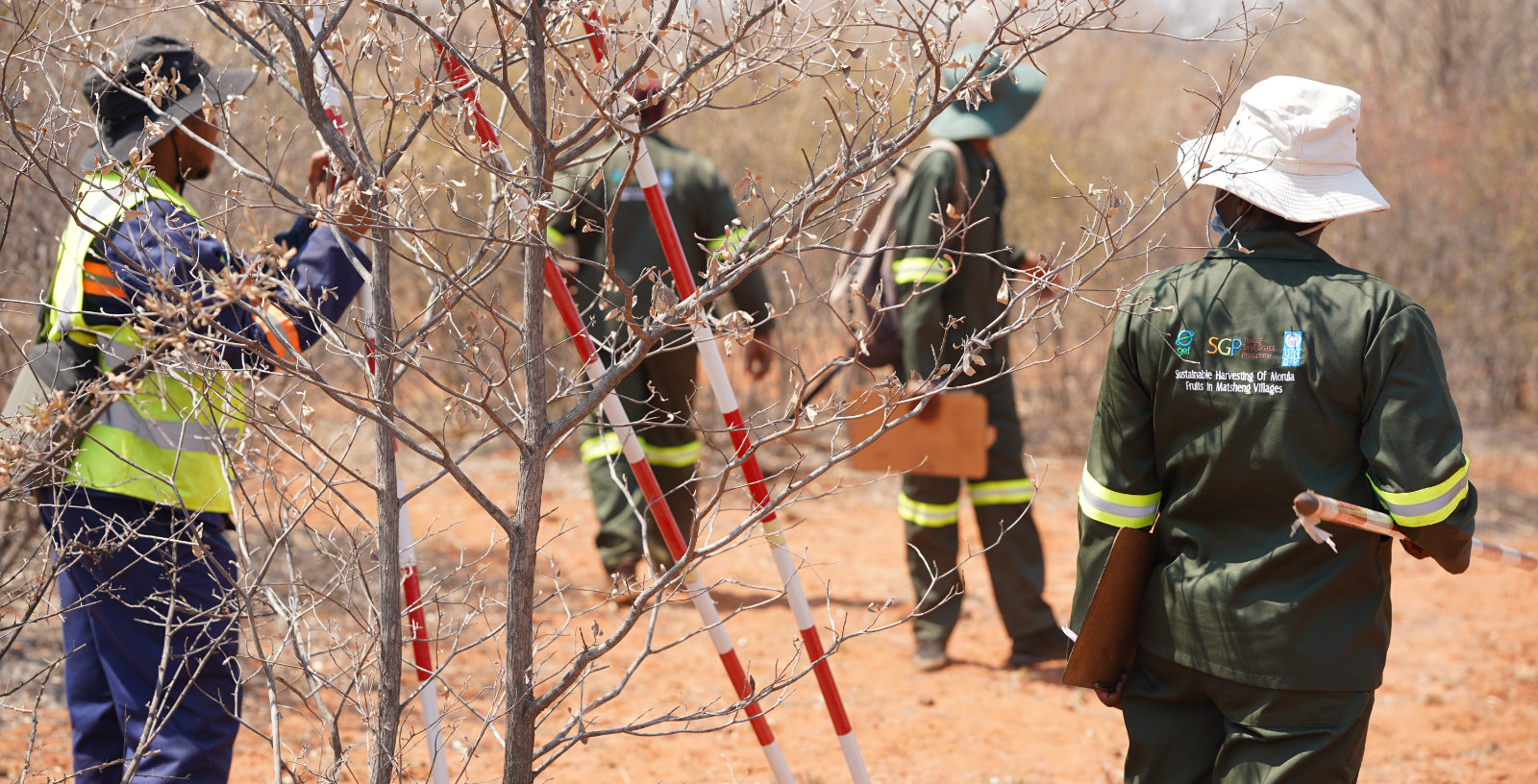
Sustainable Harvesting of Morula Fruits for Income Generation Activities in Matsheng villages

which addresses land degradation and unsustainable forest utilization, especially the harvesting of wild fruits; to safeguard the districts stability, resilience to climate change and the socio-economic well being of its communities.

UNDP big

The project promotes sustainable utilization of forests; especially the Thotayamarula forest in Shadishadi, natural resources especially the Morula fruit. This encourages the community to earn a living through value addition of morula fruits by producing different products. The project combines the strengthening of community-based conservation efforts as well as alternative income-generating activities.

Support Prevention and Awareness of Anti-Tobacco Campaigns in Botswana

While Botswana has since made progress by ratifying the Framework Convention on Tobacco Control (FCTC) and amending the Control of Smoking Act (CSA) to be compliant to three of the provisions of the FCTC, there is still much to be done to reduce the consumption of tobacco and its effects on the health and economy of the country.

High prevalence of tobacco use among youth, limited awareness on the risks associated with tobacco use, limited capacity of non-state actors working in Tobacco Control initiatives characterize the Tobacco Control scene in Botswana. Tobacco consumption is still a cause of concern in the country, especially as we face high risks of tuberculosis and respiratory infections mainly related to high HIV-AIDS infections. With Covid 19 in the picture as well, tobacco use is a serious threat.

Tobacco has become a substance of choice for many young people, most of which have resorted to using tobacco substances to be able to ‘fit in’ and look ‘cool’ when they are around their peers. It is currently easily accessible and this brings about devastating impacts on peoples’ health, the environment as well as the economy. Even though Tobacco is linked with poverty and underdevelopment, something that has been evident in the communities we work in as we continue mobilising people in and around Hukuntsi and Ghanzi, it is also a substance highly used by people who are well off, most commonly in the form of ‘hubbly’.

In attempting to address the high use of tobacco in Botswana, the Tobacco project is based on raising public awareness on health effects to tobacco use and consumption through public campaigns, stakeholder engagements, workshops and addressing institutions such as schools and work places. Through this project, we look to increase awareness on Tobacco Control policies and the negative effects relating to tobacco use in Botswana, and strengthen human and institutional capacity for effective engagement in Tobacco Control interventions in Botswana.

  • 11,730 people sensitized on the dangers of tobacco smoking
  • 30, 116 people sensitized and awareness raised on dangers of tobacco smoking 28.

Addressing Child Labour in Botswana

Children in Botswana are subjected to the worst forms of child labour, including sexual exploitation, cattle herding and domestic work. In 2022, the Addressing Child Labour in Botswana project reached out to the Ghanzi and Tsabong districts, where child labour according to a survey that was carried out, was actually a concern, especially at farms and cattle ranches.

Through the Ministry of Labour, we were granted access to the farms to be able to carry out mass mobilization campaigns, where we mobilised communities and screened for possible child labor cases. Through our project’s efforts, it had emerged that a significant number of children involved in child labour were school dropout, particularly those recorded in school registers as absconded.

The project also revealed that most of the suspected cases of child labour occur on a part time basis as children are hired temporarily when they are free. In addition, the general trend seemed to be that children aged 8 – 12 years are commonly found taking care of small stock while those aged 13 – 17 years usually are hired to herd cattle and generally taking care of them, also moulding bricks and mending fences at the farms.

As we continue mobilizing these communities and working towards ending child labour, we empower the families and communities to contribute to solutions to this child labour problem and ensure that laws meant to protect children in Botswana are enforced by the government. However, it should be noted that not all work done by children should be classified as child labour that is to be targeted for elimination.

The participation of children or adolescents above the minimum age for admission to employment in work that does not affect their health and personal development or interfere with their schooling, is generally regarded as being something positive.

This includes activities such as assisting in a family business or earning pocket money outside school hours and during school holidays. 

Some of the results from the project:

  • 2496 parents educated on child labour prevention
  • 3,527 people participated in campaigns and public awareness raising on child labour issues
  • 3046 children reached with child labour prevention messages in schools
  • Community Development

Sustainable Harvesting of Morula Fruits for Income Generation Activities in Matsheng villages

which addresses land degradation and unsustainable forest utilization, especially the harvesting of wild fruits; to safeguard the districts stability, resilience to climate change and the socio-economic well being of its communities.

UNDP big

The project promotes sustainable utilization of forests; especially the Thotayamarula forest in Shadishadi, natural resources especially the Morula fruit. This encourages the community to earn a living through value addition of morula fruits by producing different products. The project combines the strengthening of community-based conservation efforts as well as alternative income-generating activities.

Support Prevention and Awareness of Anti-Tobacco Campaigns in Botswana

While Botswana has since made progress by ratifying the Framework Convention on Tobacco Control (FCTC) and amending the Control of Smoking Act (CSA) to be compliant to three of the provisions of the FCTC, there is still much to be done to reduce the consumption of tobacco and its effects on the health and economy of the country.

High prevalence of tobacco use among youth, limited awareness on the risks associated with tobacco use, limited capacity of non-state actors working in Tobacco Control initiatives characterize the Tobacco Control scene in Botswana. Tobacco consumption is still a cause of concern in the country, especially as we face high risks of tuberculosis and respiratory infections mainly related to high HIV-AIDS infections. With Covid 19 in the picture as well, tobacco use is a serious threat.

Tobacco has become a substance of choice for many young people, most of which have resorted to using tobacco substances to be able to ‘fit in’ and look ‘cool’ when they are around their peers. It is currently easily accessible and this brings about devastating impacts on peoples’ health, the environment as well as the economy. Even though Tobacco is linked with poverty and underdevelopment, something that has been evident in the communities we work in as we continue mobilising people in and around Hukuntsi and Ghanzi, it is also a substance highly used by people who are well off, most commonly in the form of ‘hubbly’.

In attempting to address the high use of tobacco in Botswana, the Tobacco project is based on raising public awareness on health effects to tobacco use and consumption through public campaigns, stakeholder engagements, workshops and addressing institutions such as schools and work places. Through this project, we look to increase awareness on Tobacco Control policies and the negative effects relating to tobacco use in Botswana, and strengthen human and institutional capacity for effective engagement in Tobacco Control interventions in Botswana.

  • 11,730 people sensitized on the dangers of tobacco smoking
  • 30, 116 people sensitized and awareness raised on dangers of tobacco smoking 28.

Addressing Child Labour in Botswana

Children in Botswana are subjected to the worst forms of child labour, including sexual exploitation, cattle herding and domestic work. In 2022, the Addressing Child Labour in Botswana project reached out to the Ghanzi and Tsabong districts, where child labour according to a survey that was carried out, was actually a concern, especially at farms and cattle ranches.

Through the Ministry of Labour, we were granted access to the farms to be able to carry out mass mobilization campaigns, where we mobilised communities and screened for possible child labor cases. Through our project’s efforts, it had emerged that a significant number of children involved in child labour were school dropout, particularly those recorded in school registers as absconded.

The project also revealed that most of the suspected cases of child labour occur on a part time basis as children are hired temporarily when they are free. In addition, the general trend seemed to be that children aged 8 – 12 years are commonly found taking care of small stock while those aged 13 – 17 years usually are hired to herd cattle and generally taking care of them, also moulding bricks and mending fences at the farms.

As we continue mobilizing these communities and working towards ending child labour, we empower the families and communities to contribute to solutions to this child labour problem and ensure that laws meant to protect children in Botswana are enforced by the government. However, it should be noted that not all work done by children should be classified as child labour that is to be targeted for elimination.

The participation of children or adolescents above the minimum age for admission to employment in work that does not affect their health and personal development or interfere with their schooling, is generally regarded as being something positive.

This includes activities such as assisting in a family business or earning pocket money outside school hours and during school holidays. 

Some of the results from the project:

  • 2496 parents educated on child labour prevention
  • 3,527 people participated in campaigns and public awareness raising on child labour issues
  • 3046 children reached with child labour prevention messages in schools

More Articles

Addressing Child Labour in Botswana

Community Development

Formation of Village Action Groups (VAGs)

Case Stories - Community Dev.

Pinagare Parenting Program

Health

Nelliah linked to HIV prevention services through DREAMS

Case Stories - Health

Child Aid Ghanzi grooms a basic computer studies certificate holder

Case Stories - Community Dev.

Youth Life Skills Building on Comprehensive Sexuality

Health

Kebadiretse Flourishes through GROW

Case Stories - Community Dev.

CAG promotes ART adherence in Francistown

Case Stories - Health

Community Adherence Groups, beneficial to the community (TCE)

Case Stories - Health

Support Prevention and Awareness of Anti-Tobacco Campaigns in Botswana

Community Development

Sustainable Harvesting of Morula Fruits for Income Generation Activities in Matsheng villages

Community Development

About HPP Botswana

Humana People to People Botswana is a member of The Federation for Associations connected to the International Humana People to People Movement. The International Humana People to People Movement is an international network of not-for-profit associations engaged in international solidarity, cooperation and development in Europe, Africa, Asia and the Americas. Its Federation Head Quarter is located in Shamva, Zimbabwe.

Who We Are

  • About Us
  • Our History
  • Our Partners
  • Financial Information

What We Do

  • Community Development
  • Health
  • Publications
  • Articles from our Work
  • Videos
2023 © Humana People to People Botswana